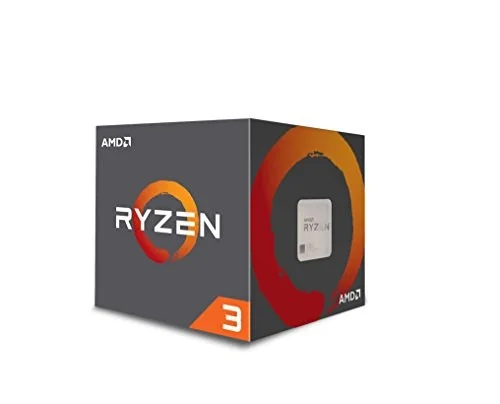
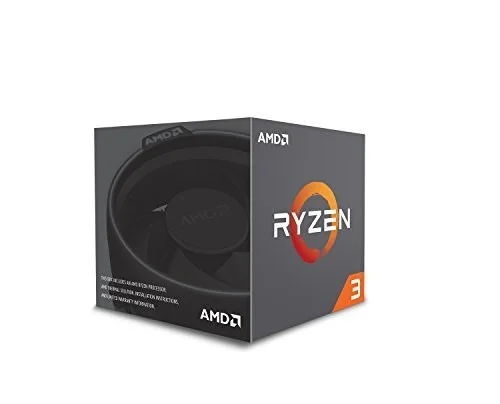
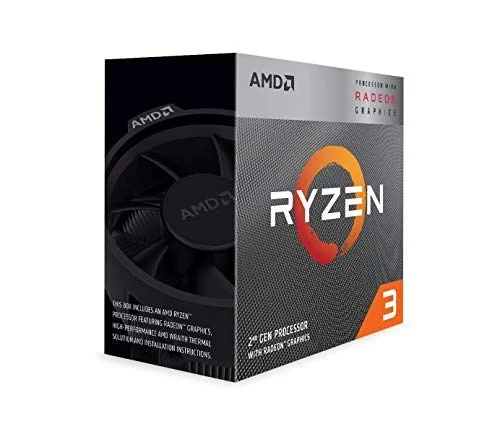
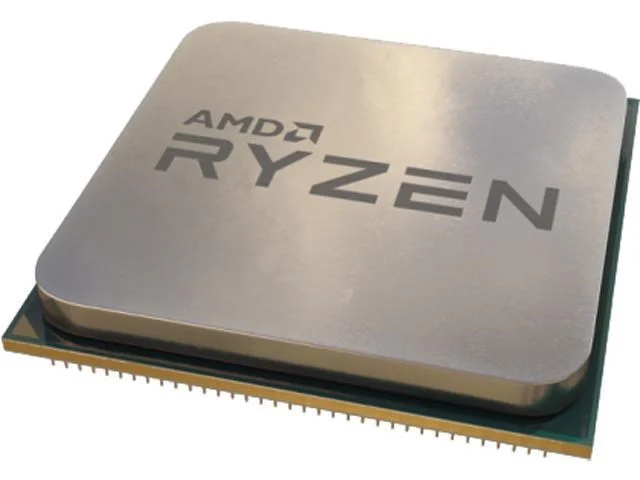
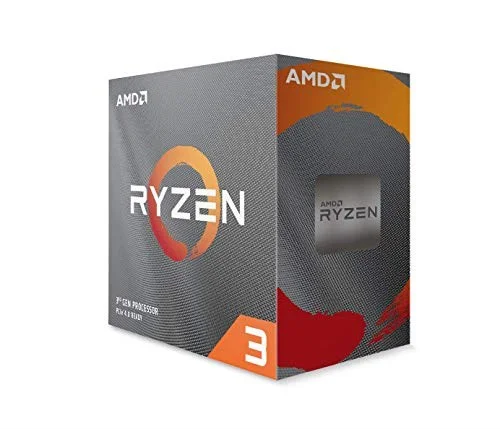
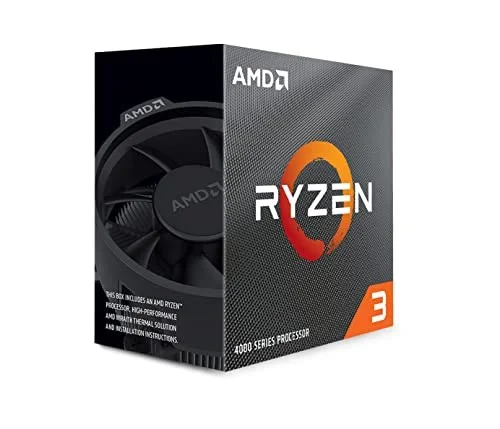
The AMD Ryzen 3 1200 AF is a refreshed version of the original Ryzen 3 1200, based on AMD’s 12 nm Zen+ architecture rather than the earlier 14 nm Zen design. It is a straightforward 4-core, 4-thread desktop CPU aimed at budget systems, offering solid everyday performance, good efficiency, and unlocked overclocking support for users building an affordable AM4 PC.
Key highlights
- 4 cores / 4 threads
- 3.1 GHz base clock
- Up to 3.4 GHz boost clock
- Zen+ / Pinnacle Ridge design
- 12 nm manufacturing process
- 65 W TDP
- Unlocked multiplier
- No integrated graphics
- Dual-channel DDR4 support
- PCIe 3.0 support
- AM4 socket compatibility
- Stock cooler included
The Ryzen 3 1200 AF is positioned as an entry-level desktop processor for users who need a low-cost CPU for general use, light productivity, and budget gaming with a dedicated graphics card. Compared with the original Ryzen 3 1200, the AF variant benefits from the Zen+ refresh, which generally improves memory behavior and makes it more attractive for budget overclocking.
For modern gaming and heavier multitasking, its 4-core / 4-thread layout is more limited than newer 6-core and 8-core alternatives. Still, it remains a viable option for low-cost systems where price, platform longevity, and AM4 compatibility matter more than peak throughput.
This processor uses the Pinnacle Ridge design and fits the AM4 socket. It is compatible with a wide range of AMD chipsets, including older 300-series boards and many newer 500-series models, though BIOS support should always be checked before installation, especially on newer motherboards.
Because the Ryzen 3 1200 AF does not include integrated graphics, a discrete GPU is required for display output.
Memory and expansion
The chip supports dual-channel DDR4 memory with an official data rate of up to DDR4-2933, though actual memory speed depends on motherboard quality, BIOS maturity, and the memory kit used. As with many Ryzen processors, memory tuning can affect performance, and supported overclocked speeds vary by platform.
It also supports PCIe 3.0, which is appropriate for mainstream graphics cards and NVMe storage in budget and mid-range builds.
Overclocking and cooling
One of the main advantages of the Ryzen 3 1200 AF is its unlocked multiplier, allowing manual tuning on supported AM4 motherboards. This makes it a practical choice for enthusiasts assembling a low-cost overclocking build.
A stock cooler is included, which is adequate for stock settings and light tuning, though users pursuing more aggressive overclocks may benefit from a stronger aftermarket cooler.
Compatibility notes
- Requires an AM4 motherboard
- Compatible with A320, B350, X370, B450, X470, A520, B550, and X570 chipsets
- BIOS update may be required depending on motherboard model and shipping revision
- Discrete graphics card required because there is no onboard GPU
- Best matched with budget to lower-midrange GPU configurations
Strengths
- Affordable AM4 entry point
- Zen+ refresh improves efficiency and memory behavior versus older first-gen parts
- Unlocked for manual overclocking
- Includes a stock cooler
- Wide motherboard compatibility across the AM4 ecosystem
Limitations
- Only 4 threads, which can limit newer games and multitasking workloads
- No integrated graphics
- Lower overall performance than newer Ryzen 5 and Ryzen 7 processors
- Platform support depends on motherboard BIOS version
Buying advice
The Ryzen 3 1200 AF makes the most sense in a budget desktop build where cost is a priority and a dedicated GPU is already planned. It is best suited to entry-level gaming, school or office use, and inexpensive AM4 upgrade projects. Users who expect heavier multitasking or longer-term gaming headroom should generally consider a 6-core Ryzen option if the budget allows.
In summary, the Ryzen 3 1200 AF is a modest but useful AM4 processor that stands out mainly for its low cost, unlocked overclocking support, and broad platform compatibility. For basic desktop use and budget gaming builds, it remains a practical CPU when paired with the right motherboard and graphics card.
Comments